Master Blackjack and Poker Rules Today
Welcome to BlackjackRulesPoker.com, your ultimate resource for mastering the rules, strategies, and tips of blackjack and poker. Whether you're a beginner eager to learn the basics or a seasoned player refining your edge, our comprehensive guides cover everything you need.
From blackjack basics and advanced card counting to poker hand rankings and Texas Hold'em strategies, we break down complex concepts into easy-to-follow explanations. Dive in and elevate your game with expert insights designed for real-world success.
Start exploring now and turn knowledge into wins at the tables.
Blackjack Basics
Blackjack, also known as 21, is a popular casino card game where players aim to beat the dealer by getting a hand value closer to 21 without exceeding it. Each card has a point value: numbered cards are face value, face cards (J, Q, K) are 10, and Aces are 1 or 11.
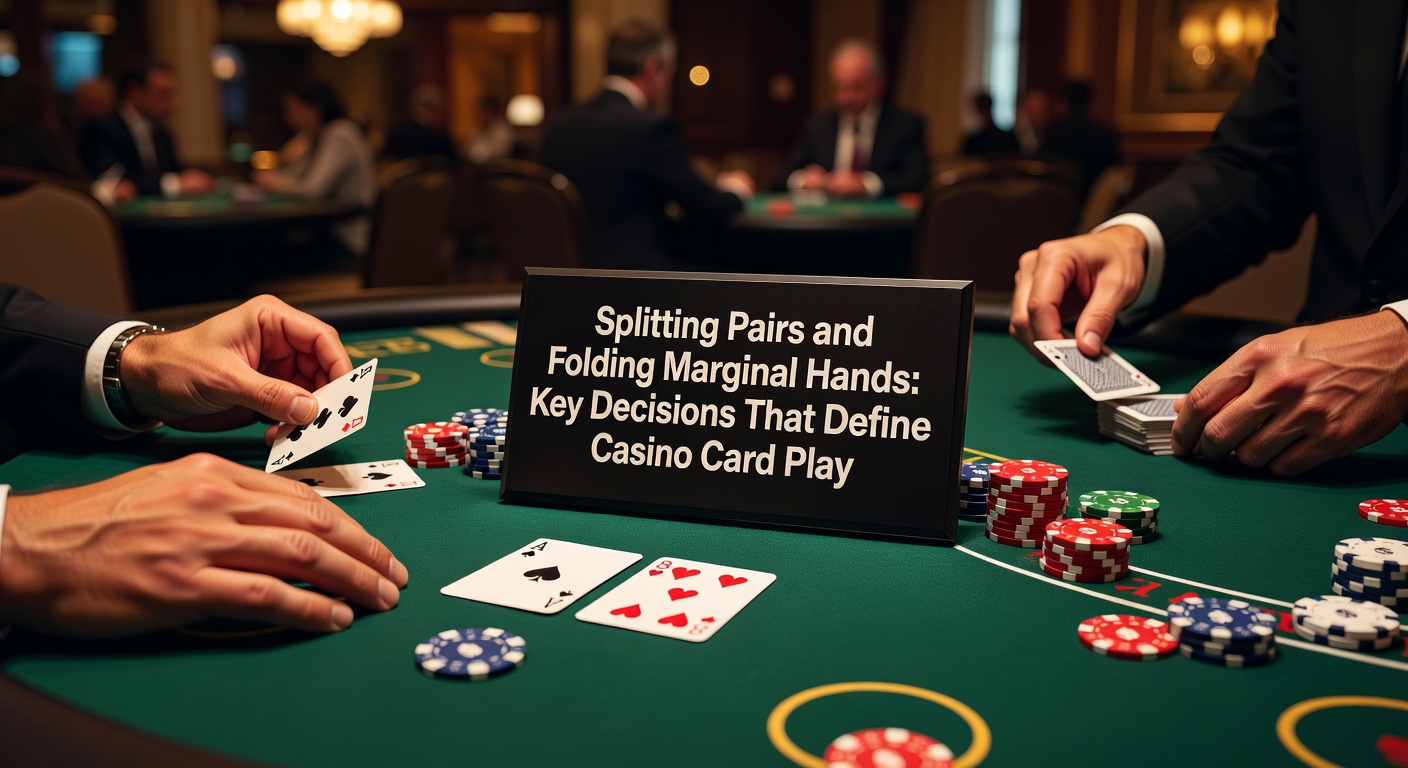
The game begins with each player receiving two cards face up, while the dealer gets one up and one down. Players decide to hit (take another card), stand (keep current hand), double down (double bet and take one more card), or split (if pair, play two hands).
Understanding these fundamentals sets the foundation for strategic play and better decision-making at any table.
Blackjack Strategy
Optimal blackjack strategy involves knowing when to hit, stand, double, or split based on your hand and the dealer's upcard. Basic strategy charts, derived from computer simulations, minimize the house edge to under 1% when followed precisely.
Always split Aces and 8s, never split 10s, and stand on 17 or higher. Adjusting for deck count and rules variations further sharpens your approach.
Pro tip: Practice with free online simulators to internalize these moves before playing for real stakes.
Consistent strategy application transforms blackjack from luck-based to skill-driven.
Blackjack Odds and House Edge
Blackjack odds vary by rules, but standard house edge is around 0.5% with perfect basic strategy. Key factors include number of decks, dealer hits/stands on soft 17, and surrender options.
Payouts are typically 3:2 for blackjack (player's first two cards total 21), boosting odds. Side bets like insurance offer worse odds, often over 5% house edge, so avoid them.
- Single deck: ~0.15% edge
- 8 decks: ~0.65% edge
Knowing these probabilities empowers smarter betting and bankroll management.
Card Counting in Blackjack
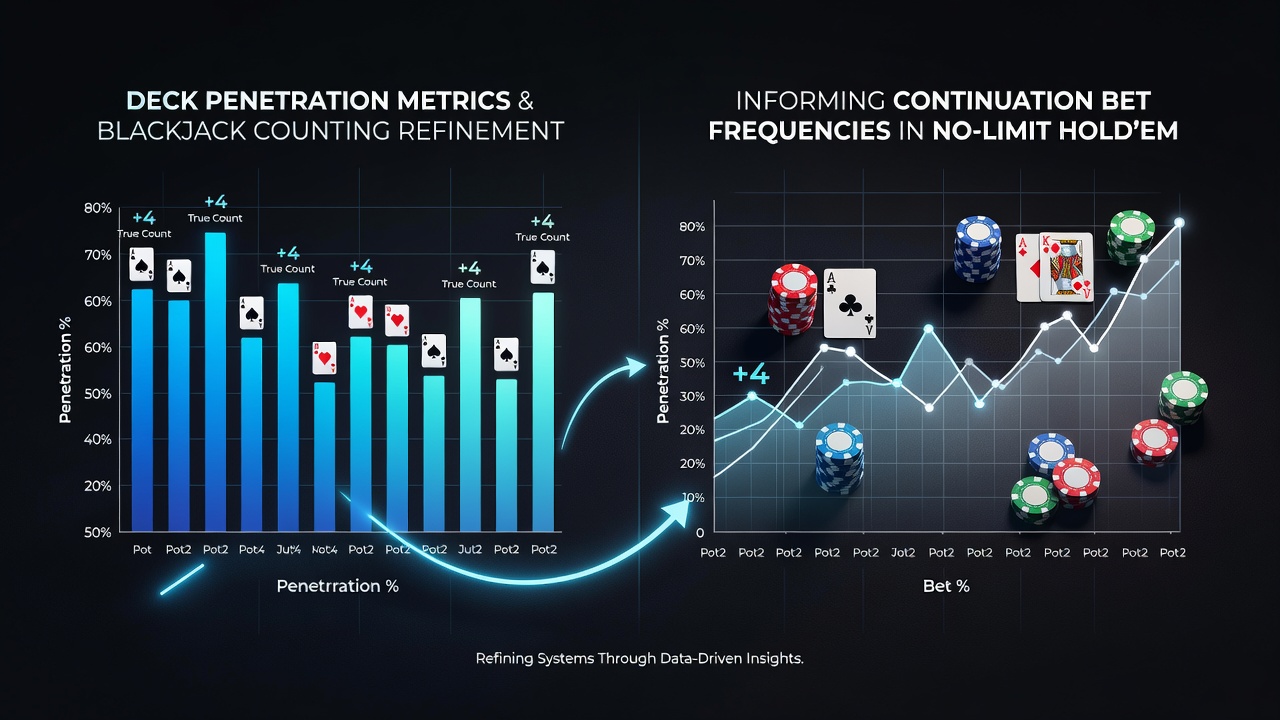
Card counting tracks high vs. low cards remaining to gauge when odds favor the player. The Hi-Lo system assigns +1 to 2-6, 0 to 7-9, -1 to 10-Ace, maintaining a running count converted to true count by dividing by remaining decks.
Bet more on positive counts; deviate from basic strategy accordingly. While legal, casinos counter with shuffles and bans.
Success requires practice, camouflage, and discipline. Teams like the MIT Blackjack Club popularized it, proving real profitability.
Blackjack Charts and Tables
Basic strategy charts are visual grids showing optimal plays by player hand vs. dealer upcard. Downloadable PDFs here simplify memorization.
Key Chart Highlights:
- Hard 12: Hit vs. 2-3, Stand vs. 4-6
- Soft 18: Stand vs. 2-6, Hit vs. 9-A
- Pairs: Always split Aces, never 10s
Use these at tables or apps for instant guidance, reducing errors and edge loss.
Poker Hand Rankings
Poker hands rank from high to low: Royal Flush (A-K-Q-J-10 suited), Straight Flush, Four of a Kind, Full House, Flush, Straight, Three of a Kind, Two Pair, One Pair, High Card.
Suits tiebreak only in specific variants; otherwise, highest card or kicker decides. Memorizing ensures correct evaluations during play.
- Top hands: Royal Flush (rarest, unbeatable)
- Mid-tier: Flush beats Straight
Mastery prevents costly misreads in heated pots.
Texas Hold'em Rules
Texas Hold'em, poker's most popular variant, deals two hole cards to each player, followed by five community cards in stages: flop (3), turn (1), river (1). Players form best five-card hands using any combination.
Betting rounds pre-flop, post-flop, turn, river. Actions: fold, check, bet, call, raise. Blinds start action.
Showdown reveals winners if multiple remain. Position relative to dealer button is crucial for strategy.
Learn these rules to join tournaments or cash games confidently.
Popular Poker Variants
Beyond Hold'em, explore Omaha (four hole cards, use exactly two), Seven-Card Stud (no community, betting each street), and Razz (lowball straights/flushes don't count).
Draw poker like Five-Card Draw involves discarding/replacing for improvement. Each variant tweaks rules for unique strategy.
- Omaha Hi-Lo: Split pots high/low
- Badugi: Best four low unsuited cards
Diversifying variants keeps skills sharp across formats.
Poker Betting Structures
Poker betting varies: No-Limit (any raise amount), Pot-Limit (max to pot size), Fixed-Limit (set bet/raise amounts). Tournaments use escalating blinds and stacks.
Position dictates aggression: late position exploits folds. Bankroll management: 20-30 buy-ins minimum.
Understand implied odds (future bets from strong hands) vs. pot odds (current pot vs. call) for +EV decisions.
Advanced Poker Tips
Bluff selectively against tight players; value bet thin with strong ranges. Track opponents' tendencies via HUDs in online play.
Range thinking over hand-specific: assign probabilities to villains' holdings. Tilt control via breaks and limits preserves edge.
- Study solvers for GTO baselines
- Review hands post-session
Consistent application separates winners from losers long-term.
Why Choose BlackjackRulesPoker.com
This site delivers clear, actionable guides on all key topics, from beginner basics to pro strategies. Free charts, odds calculators, and tips save time and money.
Updated regularly with rule changes and meta shifts. Join thousands mastering games here.
Ready to win? Bookmark and start learning today.